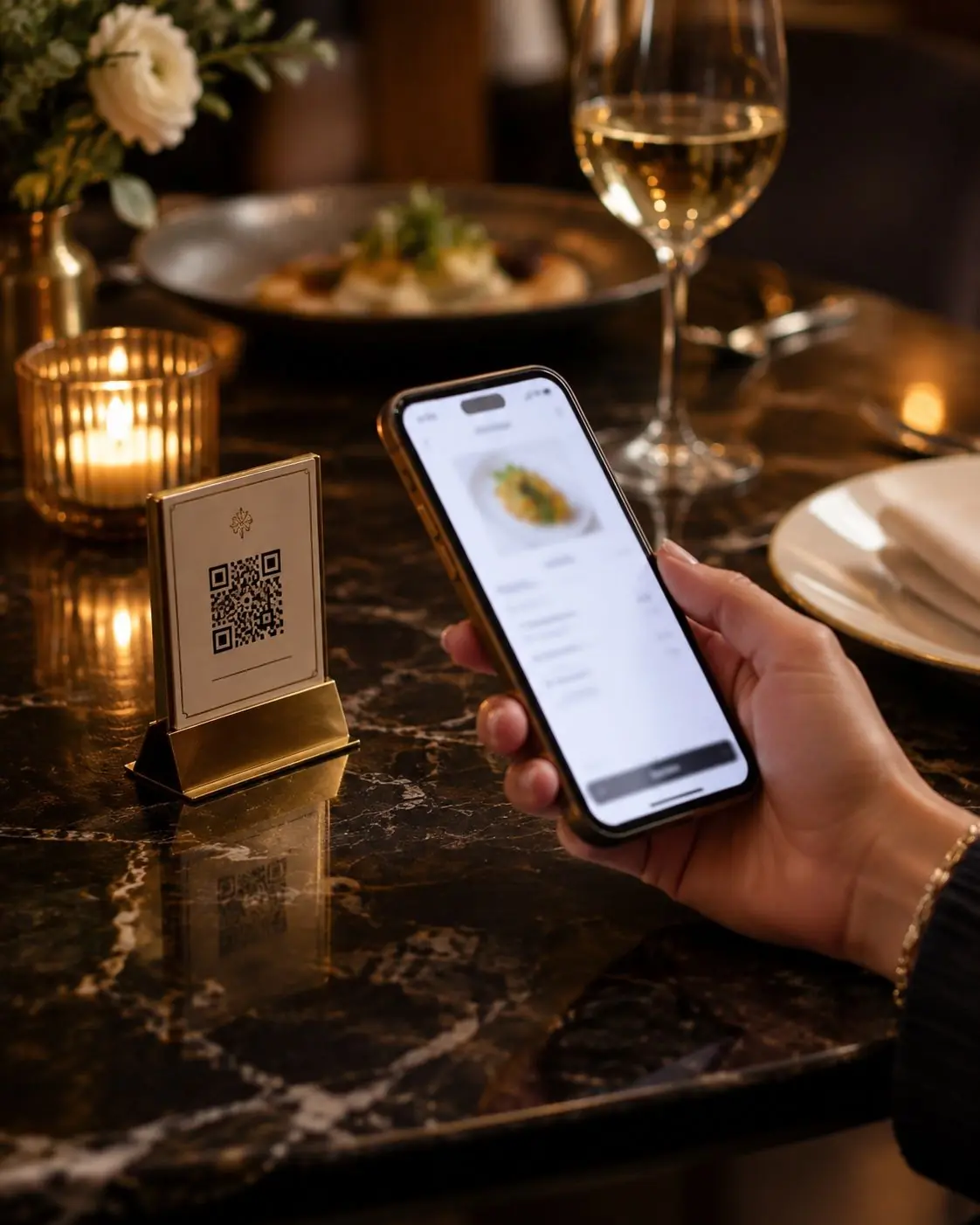
The opportunity
Guests have always asked what is in a dish, how spicy it is or what goes with it. A dining assistant is intended to help with these routine questions using approved menu information. It cannot replace staff advice on allergies or unknown preparation details.
Used well, it frees staff from repetitive explanations and gives shy or international guests a way to ask without feeling awkward.
Ground every answer in approved information
The most important design decision is where answers come from. A responsible assistant answers from information the restaurant has reviewed and approved — dish descriptions, published ingredients, pairings — rather than general knowledge about what a dish usually contains.
If a recipe changes, the content must change too. Keeping it current is an operational habit, not a one-off task.
Know the hard limits
Some questions should always go to a person. A well-designed assistant is built to recognise them.
- Allergen safety: an assistant should never certify that a dish is safe for an allergy.
- Dietary suitability: claims such as vegan or halal should reflect only what the restaurant states, with a prompt to confirm.
- Availability: the assistant shouldn't invent what's in stock tonight.
- Ingredients: it shouldn't fill gaps by guessing.
Languages need validation too
Multilingual support is valuable in international cities, but quality varies by language. Validate the languages your guests actually use before relying on them in service.
Keep hospitality human
The goal isn't fewer conversations between guests and staff — it's better ones. When the assistant handles the routine, your team has more time for the welcome, the recommendation and the farewell.